In vitro fertilization (IVF) is an assisted reproductive technology with which couples can become parents. IVF treatment can be advised when other fertility treatments are inappropriate or have failed.
So, what is IVF treatment? It requires the egg to be fertilized by sperm in the laboratory after the eggs have been taken out of the ovaries. The embryo is then transferred into the uterus. Success rates vary, and IVF does not work for everyone (they vary also with the age, the cause of infertility, and the presence of other reproductive factors).
Fertility Assessment Before IVF
Before beginning IVF treatment, the medical history of the individual or couple is evaluated by a fertility specialist, and fertility testing may be advised. This evaluation may involve:
- Examination of medical history
- Blood work and ultrasound
- Semen test
- Assessment of need for IVF
These assessments enable the physician to have a suspicion for the potential cause of infertility and if IVF is warranted. In other words, the fertility treatment process is tailored to the individual case rather than adhering strictly to the same method for everyone.
Stimulation of the Ovaries and Monitoring
Medications that can stimulate the ovaries to produce multiple eggs are usually used during the first active phase.
- Monitoring is carried out by ultrasound scans and sometimes blood tests.
- A trigger medication promotes the maturation of the eggs prior to collection.
The specific medications and protocols can vary from patient to patient. This monitoring is vital because the egg retrieval must be timed properly by the medical team.
Egg Collection and Fertilization
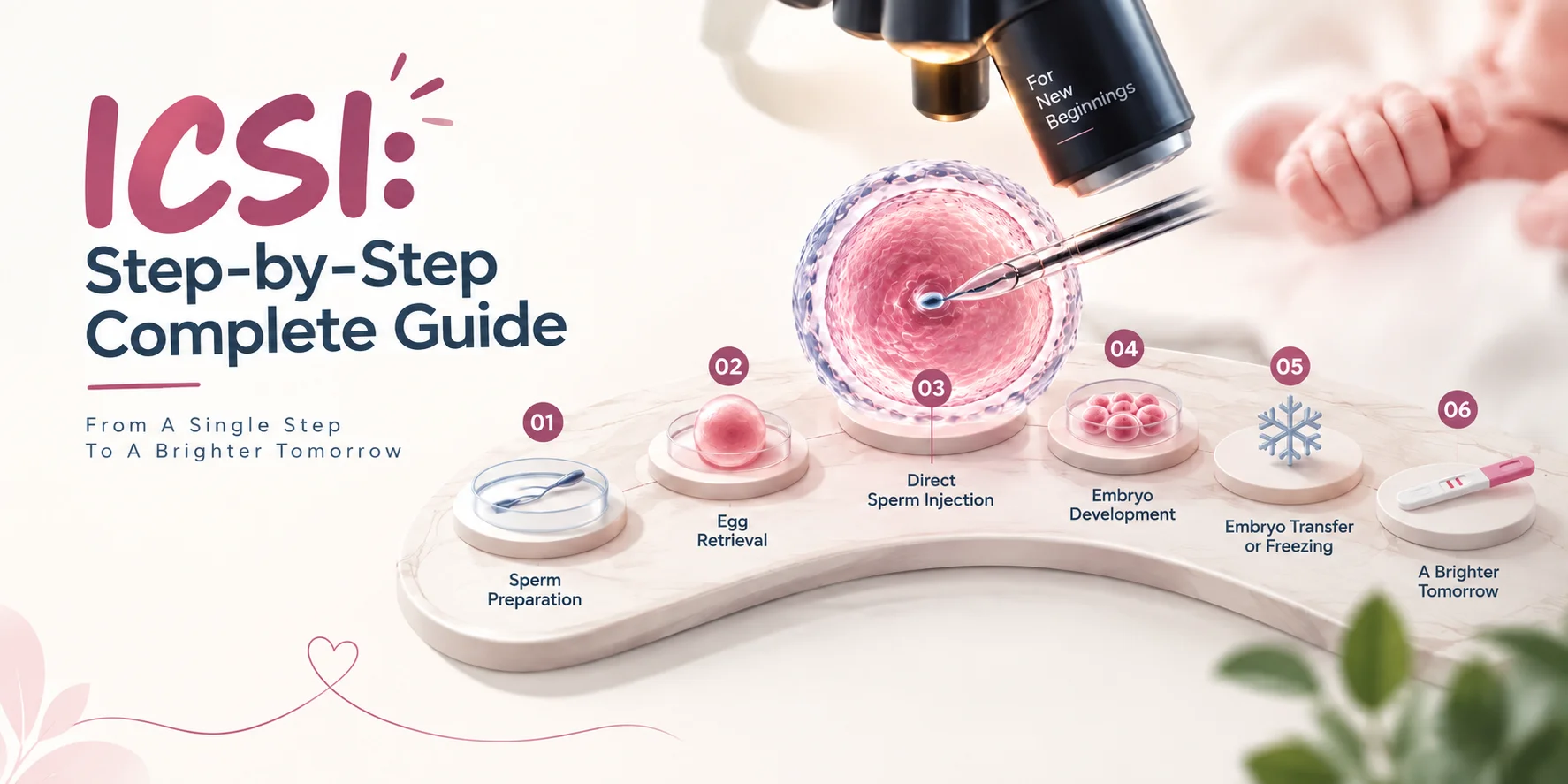
The egg collection is performed under ultrasound guidance. A fine needle is passed through the vagina and into the ovaries, and the fluid from the ovarian follicles that contains eggs is aspirated. The process takes approximately 20 minutes and is usually done under sedation or to an appropriate level of anesthesia. Also at this stage a sperm sample is obtained either from the partner or donor sperm if applicable. The eggs and sperm are brought to the lab for fertilization.
Types of IVF Procedures
There are several types of IVF procedures depending on the regimen. The eggs are fertilized by using the following main techniques:
- Standard IVF: The eggs and sperm are mixed together in a petri dish to allow fertilization.
- Intracytoplasmic sperm injection (ICSI): Another technique is that of intracytoplasmic sperm injection (ICSI), in which one sperm is injected into an egg. ICSI could be suggested in specific situations, including male factor infertility, previous fertilization failure, etc.
Embryo Transfer Process
After the eggs are fertilized, the embryos are grown and monitored in the lab. Eggs get fertilized, and not all fertilized eggs become embryos that can be transferred. It’s not uncommon for a few embryos to make it to the blastocyst stage after about five days. Based on your treatment protocol, one healthy embryo may be transferred to your uterus, and the remaining viable embryos may be frozen for use at a later time. It is yet another crucial component of the fertility treatment process.
What Happens After Embryo Transfer
Embryo transfer is the placement of an embryo through the cervix into the uterus with a fine catheter. It is typically a brief procedure and does not need to be done with abdominal surgery. In many cases a single embryo transfer is preferred, as this may decrease the risks associated with multiple pregnancy. After the transfer, the fertility clinic provides instructions about medications and when to take a pregnancy test.
Understanding the Complete Journey
So when you think about the entire process, what is IVF treatment? It is a currently planned sequence of processes, including fertility assessment, ovulation induction, oocyte collection, fertilization, embryo culture, and embryo transfer. The types of IVF procedures can be different from person to person, and what one patient goes through in the fertility treatment process may be entirely different from another.
Knowing what is IVF treatment will help you to the extent that you’ll know what to expect; only your fertility doctor will be able to tell you which is the best option for you, what the outcome will be, and the possible risks and benefits in your particular case.