When ICSI Should Be Considered
For some couples fertilization cannot be easily achieved by usual IVF. ICSI treatment provides a further option by facilitating sperm to directly fertilize the egg in the laboratory. It’s commonly used when male factor issues may be impacting fertilization or when there have been poor or failed fertilization in prior IVF cycles. Your doctor might also talk about ICSI if the sperm appears to need additional assistance in getting to or entering the egg during fertilization post-test reviews.
What happens prior to fertilization?
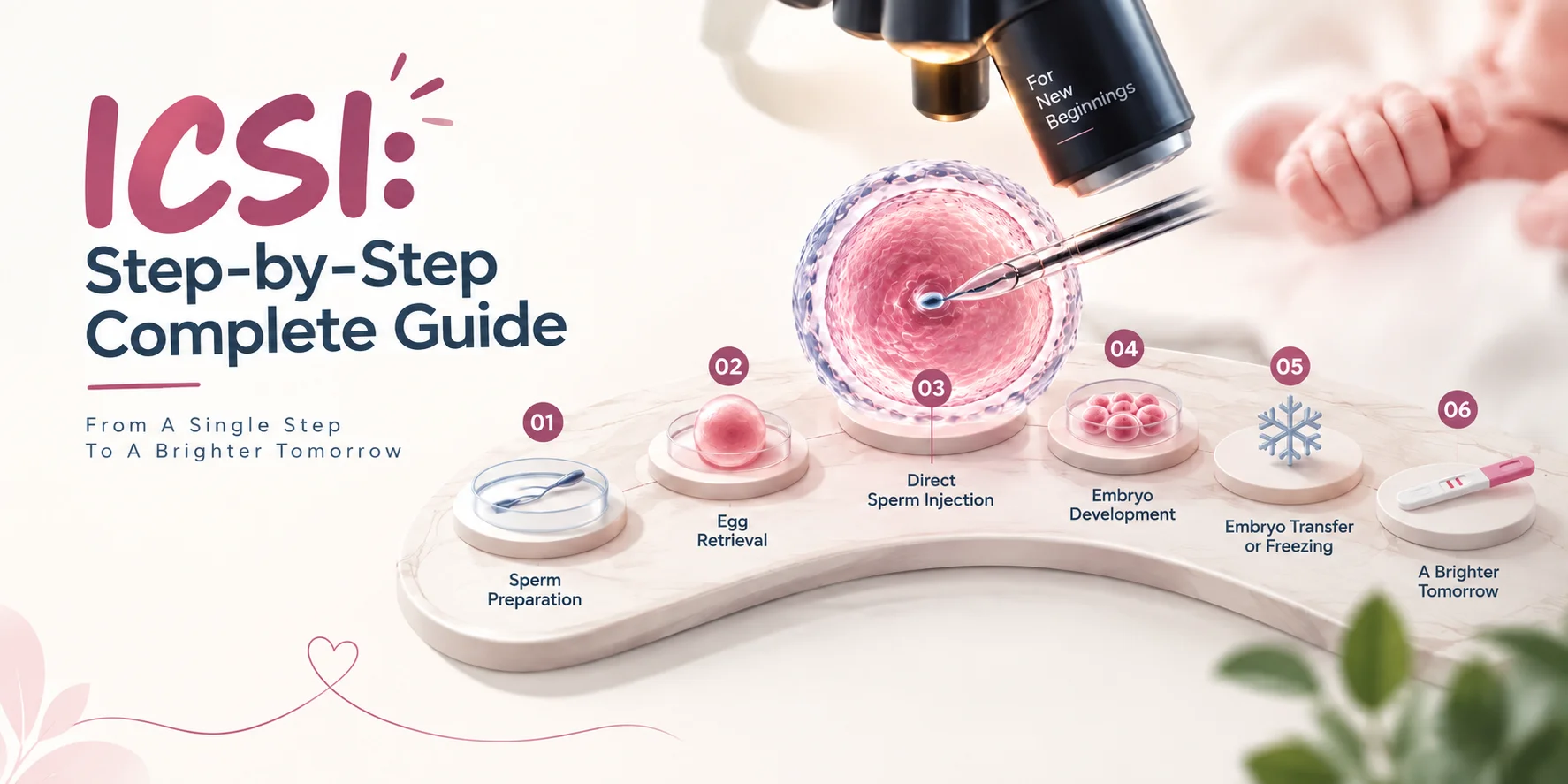
Prior to the icsi procedure step by step process, eggs and sperm are prepared by the fertility team. A woman will usually take medicine to stimulate the development of multiple eggs and the treatment regimens are customized on patient basis.
- Ovarian stimulation: Several mature eggs are collected using medicines.
- Monitoring: Blood tests and ultrasound evaluations assess follicular development.
- Trigger shot: One last meditation you take to help the eggs mature this final time before they're collected.
The next icsi procedure step-by-step
The next icsi procedure step-by-step is the egg collection. When the follicles are mature, the eggs are aspirated with a thin needle, which is passed through the vaginal wall under ultrasound guidance. The procedure is usually done under sedation or anesthesia, but that may vary by clinic and patient.
- Egg retrieval: The specialist collects mature eggs from your ovaries.
- Lab preparation: The eggs harvested are evaluated and prepared for the fertilization process.
Sperm Processing: Insemmination
The sperm preparation is also an essential part of the procedure. A semen sample is obtained, processed in the laboratory, and the best motile sperm are isolated. This can be a particularly important procedure when sperm count, motility, or morphology are the reasons for not fertilizing.
- Sample handling: For these patients, the sperm must be separated and processed in the laboratory.
- Sperm selection: An embryologist chooses the best sperm for each egg that is mature.
ICSI in the lab: How does it work?
So, how does icsi work? With conventional ivf, eggs and sperm are put together and left to fertilize naturally, but with icsi, a single sperm is injected into a mature egg. An embryologist does this, using a microscope.
- Microscope guidance: After the embryologist picks up the egg with the pipette containing the sperm, he or she looks through a microscope.
- Injection of sperm: A sperm is pushed into the egg using a very fine needle.
- Check for fertilization: Then observed to see which of them are fertilized.
Observation of the development of embryos
Following fertilization according to the icsi procedure step by step is culturing the embryos. Eggs fertilized In the laboratory The eggs that become fertilized remain in the lab under very closely regulated conditions while embryologists watch them for several days as they grow.
- Early Development: Embryos are monitored during the early stages of division.
- Blastocyst stage: The good-quality embryos can grow up to day 5 or 6.
- Evaluation of embryo: The growth and appearance of the embryo is closely monitored prior to the next treatment decision.
Where Advanced Fertility Treatments Fit In
ICSI can be performed in conjunction with other advanced fertility treatments based on the individual medical circumstances. These treatments are not required for everyone, and your specialist will be able to advise if an additional treatment is beneficial.
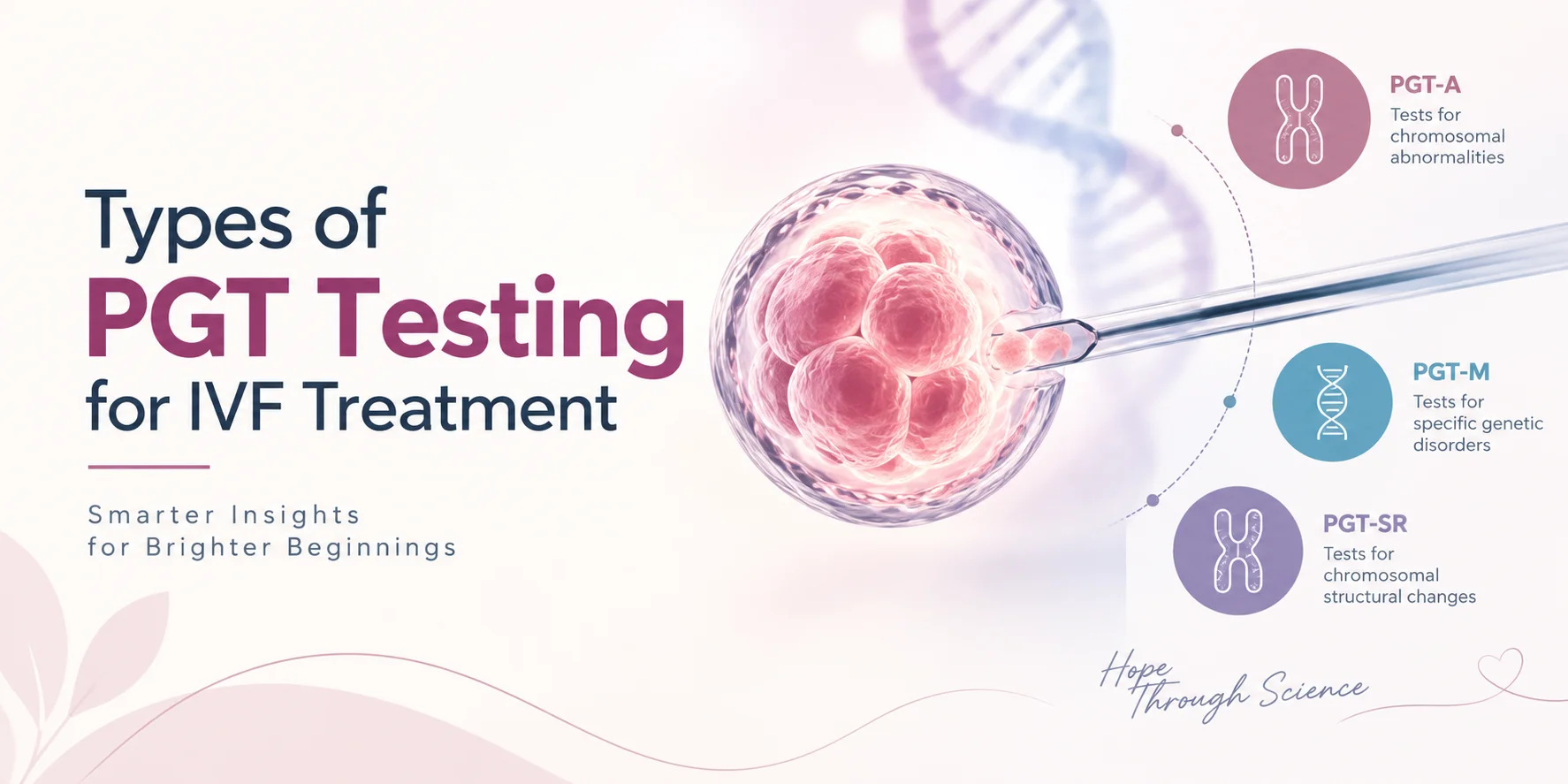
- Genetic Testing: At the time of transfer, in some cases, embryos may be tested for certain genetic or chromosomal diseases before the transfer.
- Embryo Freezing: Viable, good-quality embryos are frozen and stored until a subsequent embryo transfer cycle.
- Fertility preservation: women who want to wait to become pregnant until later in life can opt to freeze their eggs or embryos to retain their fertility for the future.
What Happens After Fertilization?
The process of how does ICSI work includes the step of what happens after the injection. Not all eggs will develop normally after fertilization so the embryos are closely observed prior to transfer or freezing. Your doctor will also inform you which embryos can go on to the next stage.
The fact that more advanced fertility treatments are broadly available may make IVF care seem intimidating, but every step has a specific function. Having a sense of what happens during treatment may help you better understand the process.
Your fertility specialist will advise you on which option is best for you based on your medical history, test results, and treatment goals. It may be helpful for you to make a list of questions about success rates, potential risks, costs, and alternatives to take with you to your doctor so that you have a better feeling for the decision and can make the one that’s right for you.