IUI or (intrauterine insemination) is a fertility treatment where washed sperm are inserted directly into the uterus on or just before ovulation to increase the odds of conception by helping sperm reach the egg.
IUI treatment may be considered when donor sperm is needed. When donor sperm is used, you have the added choice of selecting the donor; sometimes this can be an emotional process. So, what is IUI treatment? It is a non-surgical assisted-conception treatment that places sperm in closer proximity to the egg.
Understanding IUI
The IUI procedure step by step begins with a fertility evaluation. The consultant goes through the medical history and may suggest tests to ascertain information about ovulation and general fertility well-being. The expected benefits, limitations, and possible alternatives may also be discussed before treatment starts. The procedure is to provide patients with a better idea of the procedure and what to expect from the cycle.
The evaluation may consist of:
- Medical and reproductive history
- Testing for ovulation and fertility
- Semen analysis for usage of partner sperm
- Tests to see if fallopian tubes are open
Ovulation Timing
The next phase in the IUI process step by step is determining when you will ovulate. IUI must be timed very closely with ovulation because the goal is to get the sperm in the uterus as close to the time of egg release as possible.
Ovulation timing may involve:
- Monitoring with a natural cycle to detect ovulation
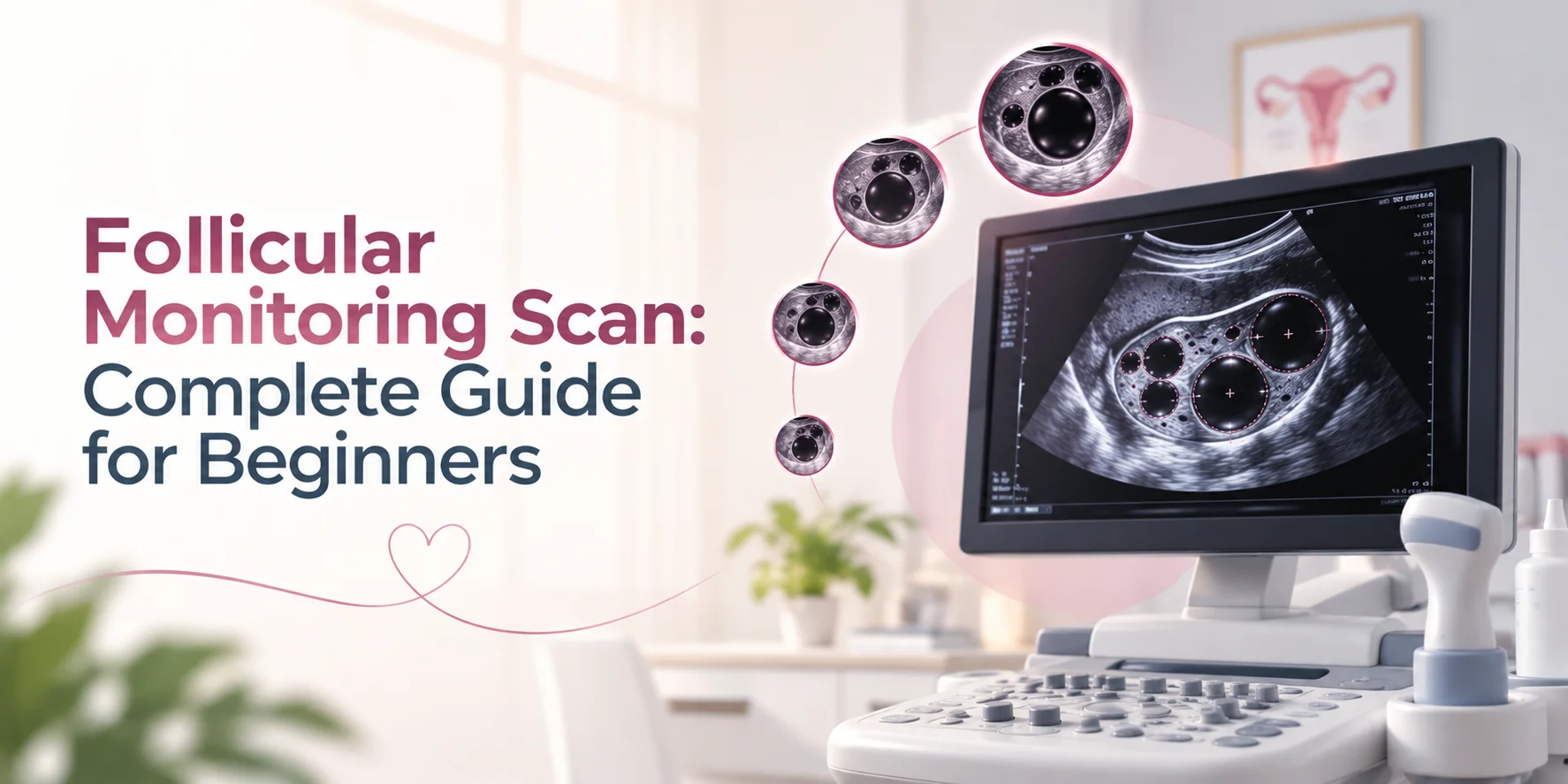
- Ultrasound monitoring of follicular growth
- Medication and a trigger injection if clinically indicated
Preparing the Sperm
Once the time is set, the sperm sample is prepared in the laboratory. A sample may be from a partner or a donor. The lab treats the sample to separate and concentrate the sperm that is appropriate for insemination.
The laboratory process includes:
- Collecting a fresh or a processed donor sample
- Processing the sample
- Concentrated active sperm: suitable active sperm is condensed into a small volume
- Getting the insemination-ready final sample
Performing the IUI Procedure
What is the IUI procedure on the day of insemination? A speculum is placed in the vagina, and a thin, flexible tube (catheter) is passed through the cervix and into the uterus.
The sperm is then loaded into a syringe, which is inserted into the catheter. The catheter is withdrawn, and the procedure is normally completed within minutes.
During the procedure:
- The catheter allows for a direct line to the uterus
- No surgical cut needed
- Mild cramping or discomfort may happen
Benefits of IUI Treatment
The benefits of IUI treatment can turn IUI into the treatment of choice for some patients. It can also be useful when donor sperm is being used.
Potential benefits include:
- A fairly straightforward and mildly invasive procedure
- No egg harvest is needed
- Provides some patients with donor sperm treatment process an option for them too
After IUI
Most patients can return home and go about their normal routines after insemination. You may have mild cramping or light bleeding. When to perform a pregnancy test and whether any medication should be taken will be explained by the fertility clinic. Because multiplicity is a potential risk if medication is used to stimulate ovulation, monitoring is necessary.
These directions allow the clinic to watch the cycle and determine if additional monitoring or a further discussion on treatment might be warranted, if at all.
After the procedure:
- Follow the clinic’s instructions for medications
- Perform the pregnancy test at the appropriate time
- Call the fertility team if you experience any unexpected or worrisome symptoms
What Happens During IUI Treatment?
An IUI cycle is a sequence of phases rather than one event, beginning with the first fertility assessment culminating in the pregnancy test. These may be fertility testing, tracking or stimulating ovulation, processing sperm, doing insemination, and choosing the best time to test for pregnancy.
What is IUI treatment and who are its suitable candidates can differ from person to person. Benefits of IUI treatment can be very effective for some patients, but IUI may not work for every patient. Knowing the IUI procedure step by step can make you feel more prepared at your visit to the doctor and your best option can be decided by the fertility specialist.