What is female fertility?
Female fertility is nothing but the chance of getting pregnant and successfully carrying the pregnancy. So, what is female fertility? It is associated with ovulation as well as egg development, reproductive organs, age, and general health.
What Are The Factors That Affect Female Fertility?
The stages of the fertility process in female are ovulation, fertilization, and implantation. But endometriosis, blocked fallopian tubes, uterine fibroids, irregular or absent ovulation, and some medical conditions can be.
When is it advised to have a fertility test?
If you’ve been trying to get pregnant with regular, unprotected sex and still haven’t gotten pregnant, it may be time to get a fertility checkup.
If your cycles are irregular or you already know you have a condition that can affect fertility, it’s often wise to get evaluated sooner rather than later.
Age factors can vary:
- Age under 35: Testing is considered after 12 months.
- Age 35 or above: Testing is considered after six months.
- Older than 40: Testing may be started sooner.
What is included in fertility testing?
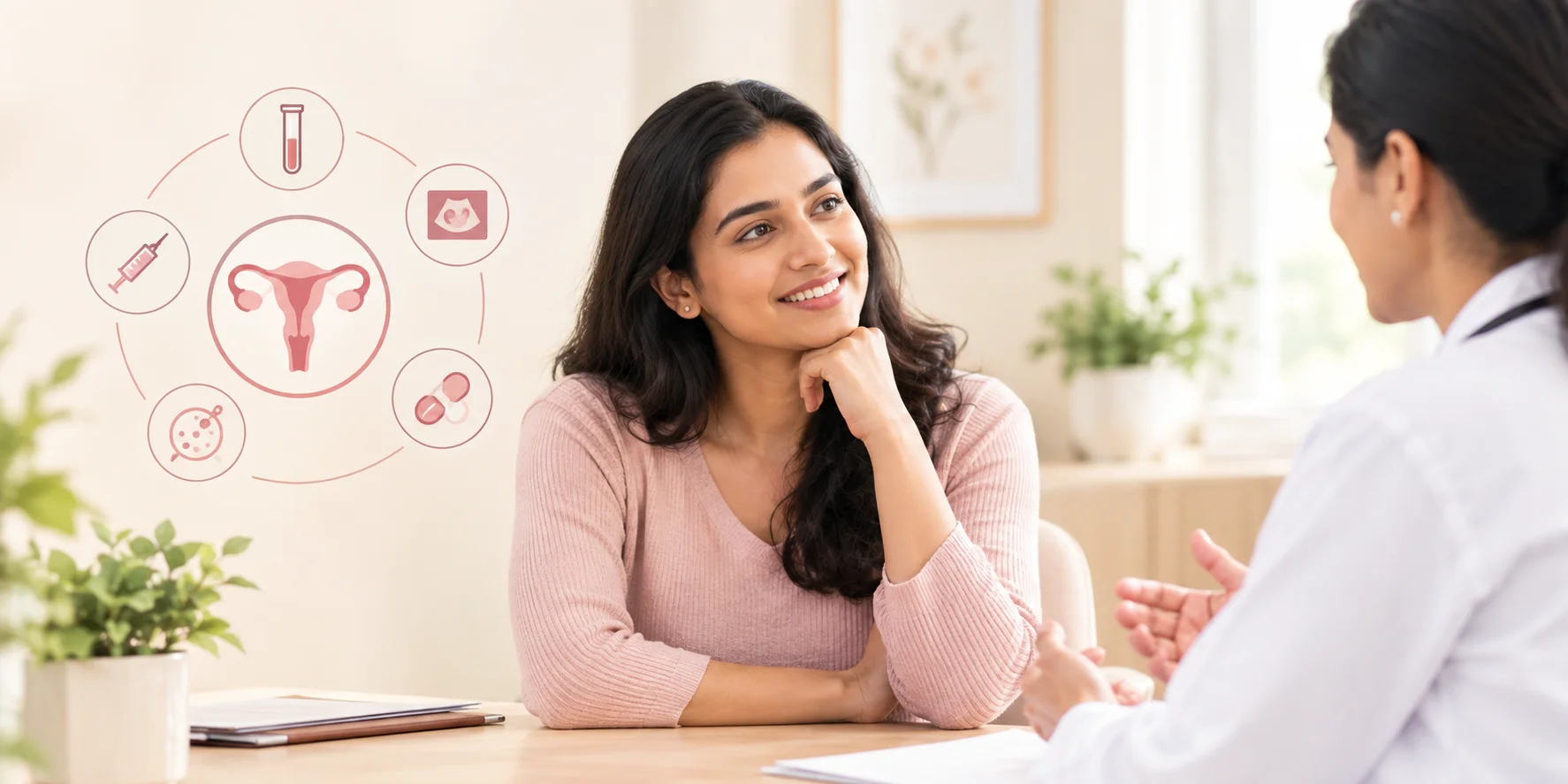
There’s not just one female fertility test. A fertility doctor will consider your age, medical history, symptoms, and goals, then recommend the right tests.
Among these tests could be
- Blood tests: To determine whether you’re ovulating, how well your ovaries are functioning and to measure your hormone levels.
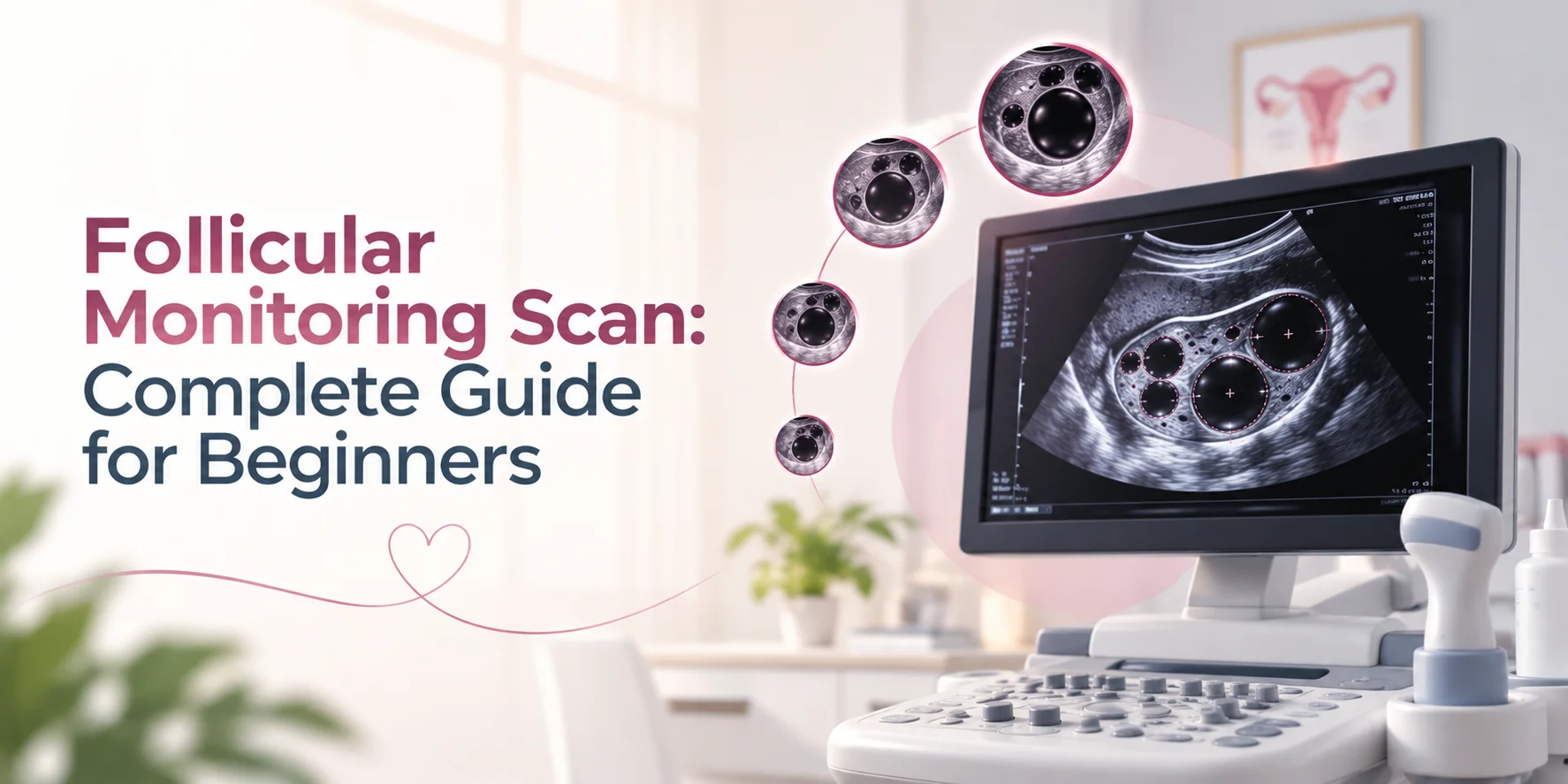
- Ultrasound: The uterus, ovaries, and small fluid-filled sacs (follicles) containing eggs can be seen.
- Hysterosalpingogram (HSG): A unique X-ray to check if your fallopian tubes are open and to see the shape of your uterus.
- Ovarian reserve testing: To gauge how many eggs you may have left, based on hormone blood tests and sometimes an ultrasound.
The Role of Ovulation and Egg Reserve
Ovulation plays a key role in fertility process in female because without ovulation there is no egg to become fertilized for natural pregnancy.
Tests for ovarian reserve, including AMH and antral follicle count, provide an estimate of egg quantity and potential response to therapy. Yet, none of these tests, alone, can forecast fertility.
Keep in mind:
- Ovulation: Can be monitored from menstrual history.
- Ovarian reserve: The quantity of eggs remaining.
How to Increase Fertility
Ways to increase female fertility has no proven methods. Nonetheless, improving general health and fixing factors that may affect pregnancy are some possible ways to increase female fertility.
Taking care of medical conditions, giving up smoking, cutting out alcohol, and keeping a balanced, healthy weight can all be beneficial.
When Fertility Treatment is Needed
If testing shows there is a fertility problem, the treatment varies depending on the cause. This fertility process in male in female may be supported by advised medications that stimulate ovulation, surgical correction of certain conditions, IUI, or IVF.
Treatment varies with the diagnosis, age, and history of reproduction of the patient and the situation.
The treatment options may include:
- Ovulation Medications: These can help with irregular ovulation.
- IUI: Washed sperm is deposited directly into the uterus around the time of ovulation.
- IUI: Cleaned sperm is placed in the uterus at the time of ovulation.
- IVF: Sperm fertilizes an egg in a lab.
Knowing When to Seek Fertility Support
The female fertility factors include ovulation, the number and quality of eggs, reproductive anatomy, age, and the state of health.
Ways to increase female fertility are not guaranteed ways to boost female fertility, but healthy living and good medical care can help support reproductive health.
Understanding a little about fertility can make testing easier. When it takes a little longer to conceive than expected, a fertility specialist can be a source of individualised help.
When to Talk to an Expert?
Having an understanding of what is female fertility can be helpful, but online fertility tests will not be able to tell you if you are actually fertile.
A test result may be interpreted in view of age, medical history, menstrual cycles, and reproductive aspirations by a provider.