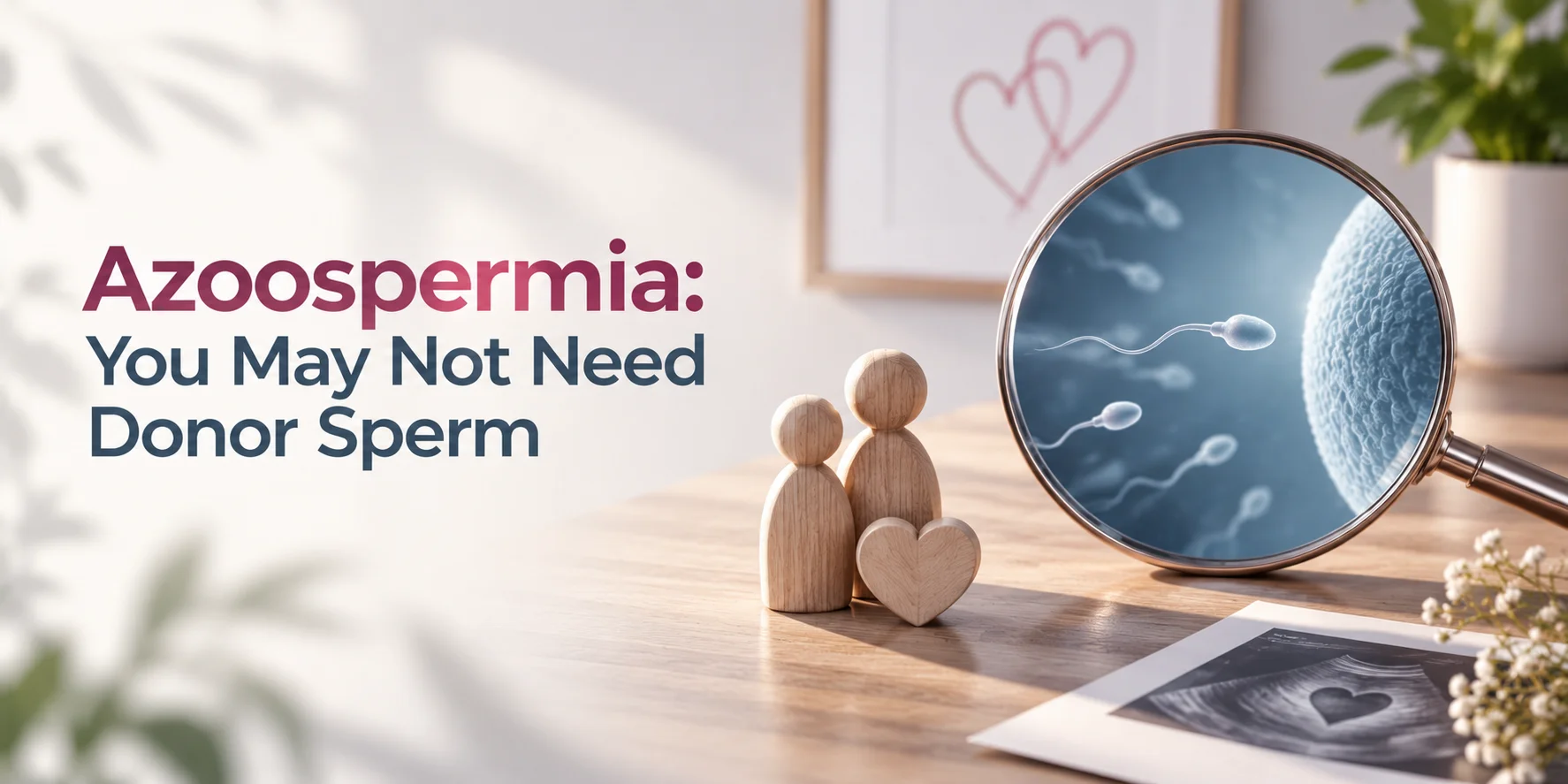
Azoospermia Does Not Always Mean Donor Sperm. Not all men with azoospermia need to use donor sperm. In some cases, sperm can be retrieved from the testicles or reproductive tract and used for treatment. The underlying cause of azoospermia is an important factor.
Understanding the Diagnosis
Azoospermia meaning is the medical term for when there is no sperm found in a man’s ejaculate. Either sperm are not being produced properly or there is an obstruction that impedes sperm from joining semen. This helps to determine treatment.
- Obstructive azoospermia: Sperm production is normal, but sperm are blocked from the ejaculation duct(s).
- Non-obstructive azoospermia: There may be a small amount of sperm production within the testicles, or none at all.
- Diagnosis: Repeat semen analysis to differentiate cause.
Your Own Sperm May Still Be an Option
Azoospermia is a common male fertility problem, but the absence of sperm in the semen does not necessarily mean that there is no sperm in the reproductive system. Sperm can be collected by a specialist for IVF with ICSI.
- PESA: Percutaneous Epididymal Sperm Aspiration (PESA) is a procedure where sperm are collected from the epididymis when a blockage prevents sperm from entering the semen.
- TESA or TESE: Testicular Sperm Aspiration (TESA) Sperm is directly extracted from the testicle to be used in fertility treatment
- Micro-TESE: A microscope can be used to find sperm.
Treatment is based on the cause
When men want to know what is what is azoospermia treatment, the answer is specific to the cause or to the possibility of retrieving sperm. Hormone tests, imaging, genetic tests, surgery, and sperm retrieval may be suggested by a specialist.
- Treatment of a blockage: Surgery may reestablish the flow of sperm.
- If the low sperm count is due to a problem with the hormones, your doctor may suggest treatment with hormones. Sperm can be stored for later use by freezing or used directly after collection.
When Do You Require Donor Sperm?
Azoospermia is a common male fertility problem. A sperm donor might be selected in the case when no sperm cells can be detected or when using a partner's sperm is not encouraged for health reasons. In some cases, couples decide on donor sperm because of medical problems.
- Counseling: Advice can help with decisions concerning donor conception.
Use of Retrieved Sperm for IVF
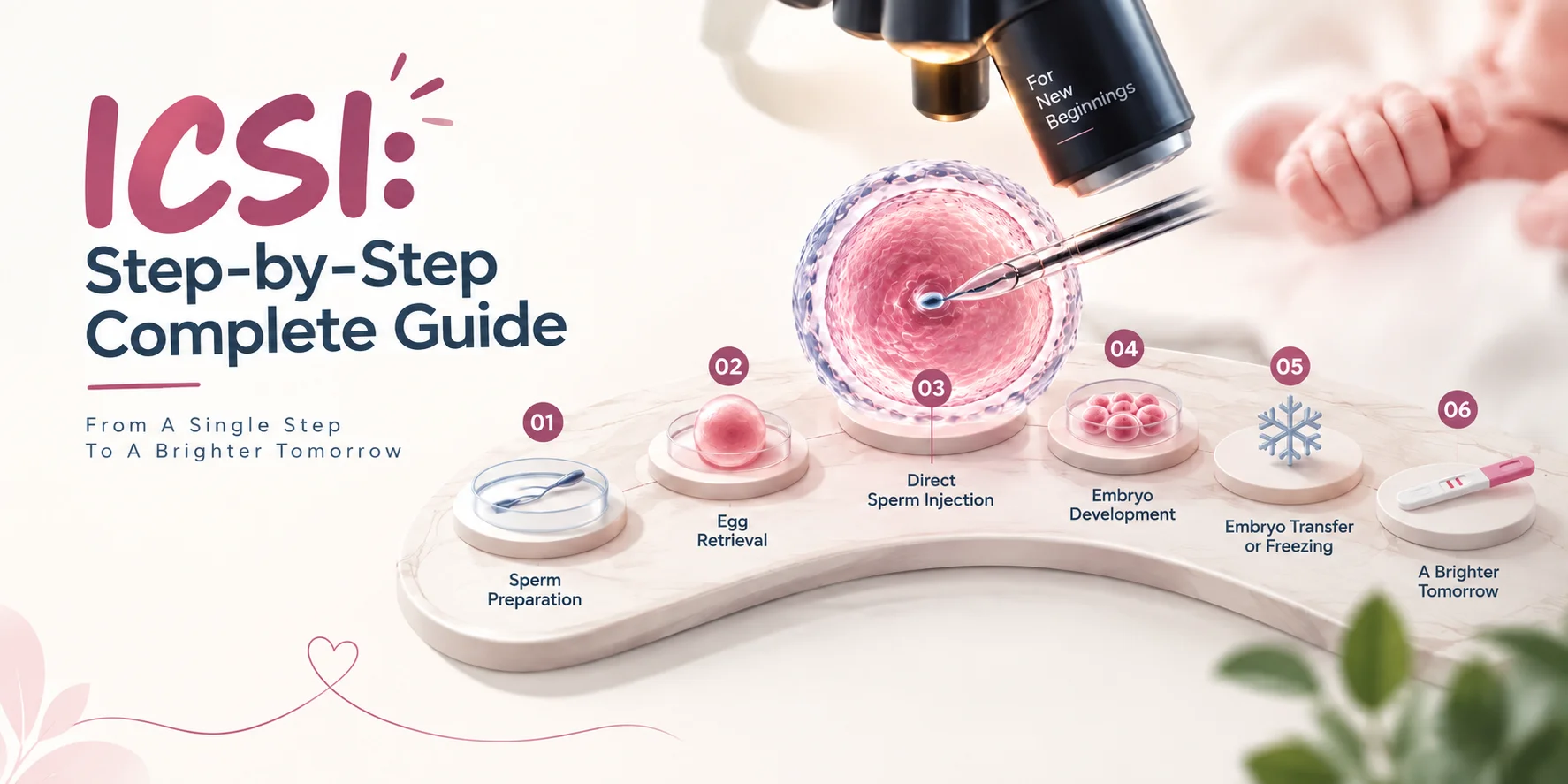
If live sperm are available, the ivf donor egg process may not be required, as donor sperm and donor eggs are two distinct choices. Sperm that’s been retrieved can also be used with a woman’s eggs in IVF, most commonly with ICSI.
When Donor Eggs Are Needed
Donor eggs may be required for reasons other than azoospermia. In cases where egg donation is indicated, what is the process of ivf with egg donor is as follows. This typically entails choosing a donor, preparing the recipient uterus, obtaining donor eggs, fertilizing them with sperm, and transferring an embryo.
- Donor screening: Donors are genetically screened.
- Fertilization: Donor eggs can be fertilized with the sperm that has been retrieved, if this is appropriate.
- Embryo transfer: An embryo is then selected and transferred.
Know Your Options Before You Decide
Understanding the azoospermia meaning can be an answer to why one diagnosis is not followed by the same type of treatment. When talking about what is azoospermia treatment, and ask if sperm retrieval is an option before choosing donor sperm. Your doctor can be very clear about options.
What is the process of ivf with egg donor for couples who want to use their eggs? A common male fertility problem like azoospermia can seem overwhelming, but evaluation may identify options that let you use your own sperm. In deciding on what is azoospermia treatment, knowing the correct diagnosis can enable you to make an informed choice.